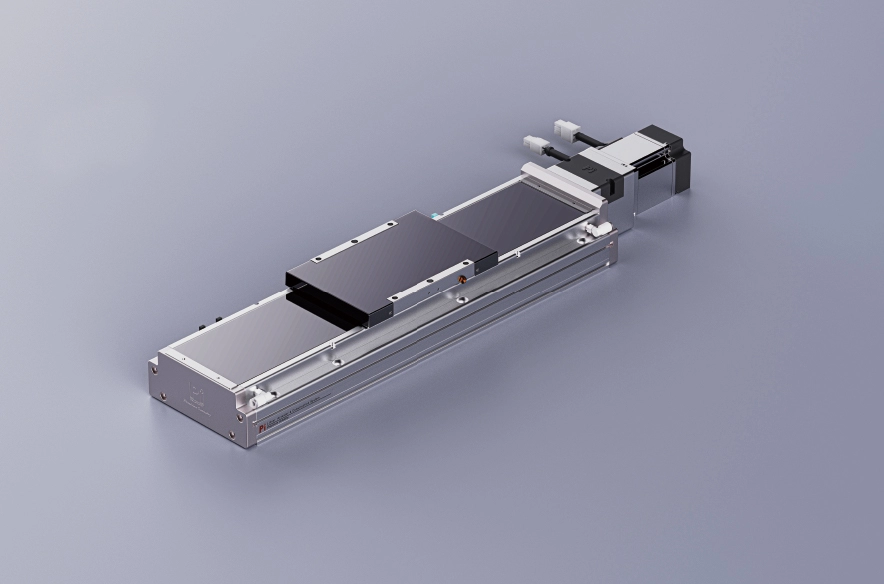
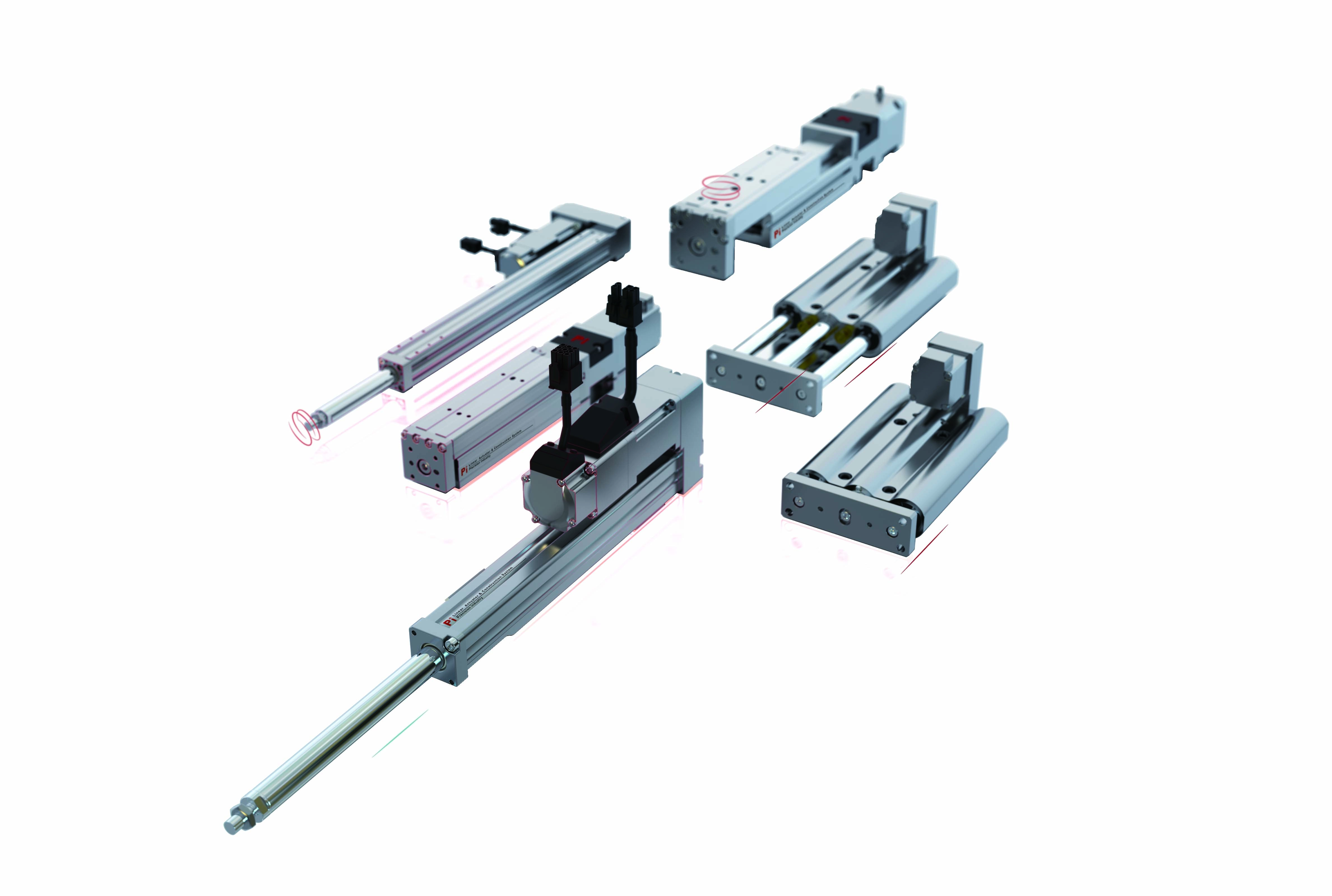
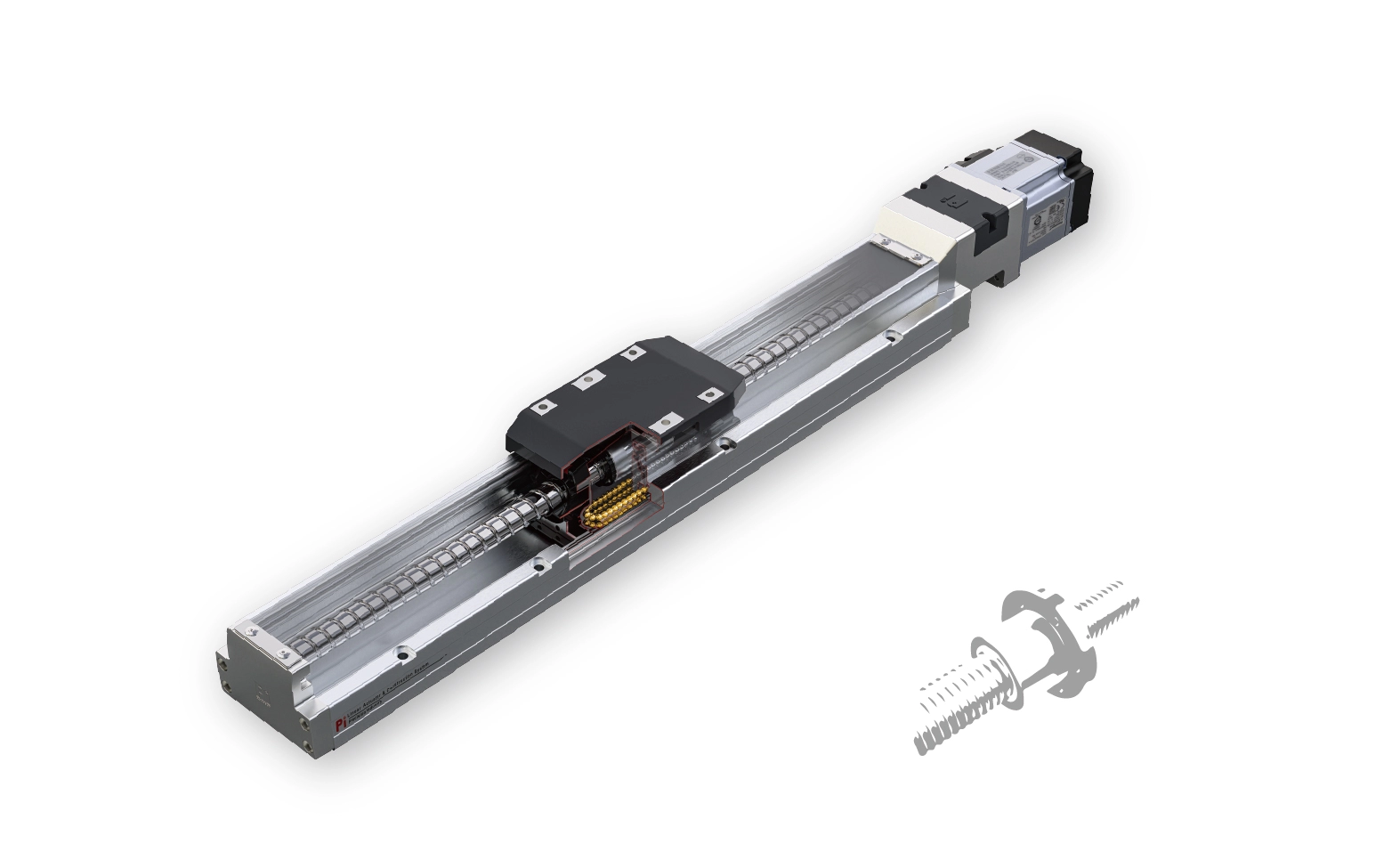
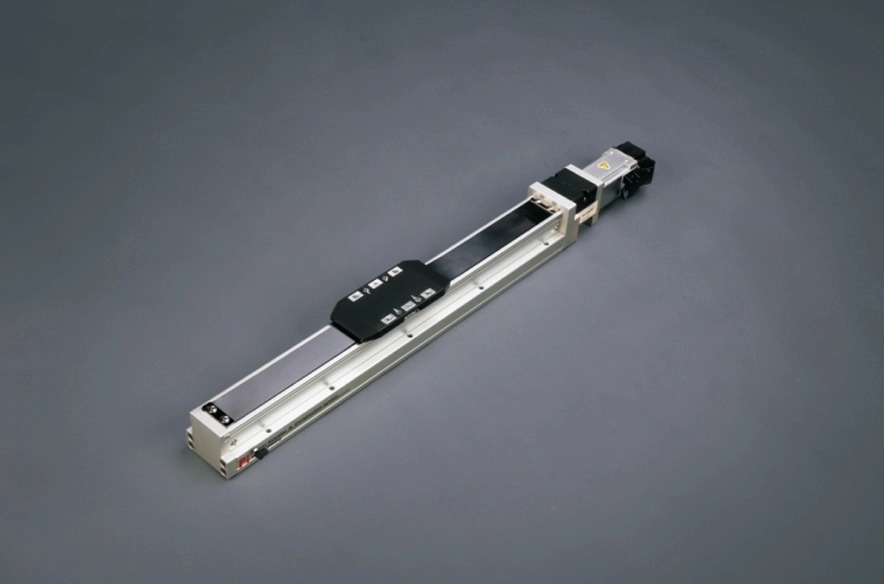
มอเตอร์ด้านล่าง
ความสามารถในการทำซ้ำ: ± 0.005/0.01 มม. โหลดแนวนอน: 110 กก. โหลดแนวตั้ง: 33 กก. ความเร็วสูงสุด: 250 มม./วินาทีช่วงการเดินทาง: 100-1050 มม.

 สถานที่ปัจจุบัน:บ้าน > บริษัท > ข่าว > ข่าวล่าสุด > How to Compare Precision Positioning Slide Tables Based on Performance
 Date: Feb 11 2026
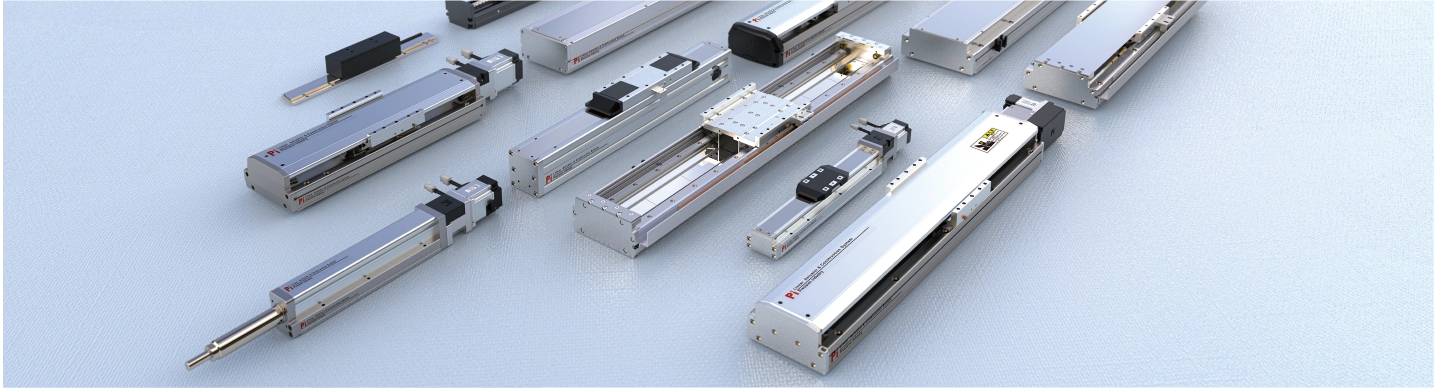
When selecting a precision positioning slide table, performance is the most critical factor to consider. The right slide table ensures that your system operates with accuracy, reliability, and efficiency, whether you're working with robotics, optics, CNC machinery, or any other high-precision application. However, not all precision slide tables are created equal, and comparing them based on their performance features can help you make an informed decision.
In this article, we’ll walk you through the key performance factors to evaluate when comparing precision positioning slide tables, and help you understand which characteristics matter the most for your specific needs.
The first and most obvious performance criterion for precision slide tables is their accuracy and precision. These two terms are often used interchangeably, but there is a subtle difference that’s worth noting:
Accuracy refers to the ability of the slide table to position an object exactly where it’s intended, measured as a distance from the target position.
Precision, on the other hand, refers to how consistently the slide table can return to the same position over multiple cycles, even if that position is slightly off the target.
Why It Matters: Depending on your application, you may require extreme accuracy, such as in semiconductor manufacturing or optical alignment systems, where micrometer or even sub-micron precision is crucial. For applications like material handling or industrial automation, you might not need as tight tolerances but still require good repeatability.
What to Compare: Look at the tolerance ratings and repeatability figures for each table. These are usually specified in microns or fractions of a millimeter and will tell you how much variation you can expect in your positioning.
Another important performance factor to consider is the load capacity of the slide table. The load capacity determines how much weight the table can handle while still maintaining its precision. For many industrial applications, the slide table will need to carry the weight of the workpiece, along with any other components of the system.
There are two key types of load to consider:
Static Load: This is the maximum weight the slide table can hold while stationary.
Dynamic Load: This refers to the weight the table can move while in operation, considering forces like acceleration and deceleration.
Why It Matters: If your application involves moving heavy components or machinery parts, you need a slide table with a higher dynamic load capacity. For delicate tasks like optical assembly or electronics handling, you might need a table with high stability and low deflection under load.
What to Compare: Look for the maximum load ratings for both static and dynamic loads. Be sure to select a slide table with a load capacity that exceeds the weight of your components, factoring in any additional dynamic forces during operation.
The speed at which a precision slide table operates can impact the overall performance of your system. For automated production lines or robotic arms, a higher-speed slide table is critical to maintaining throughput and meeting productivity goals. Similarly, the acceleration (how quickly the table can reach its maximum speed) plays a key role in efficiency.
Why It Matters: If your application involves high-throughput or requires the slide table to complete many cycles in a short amount of time, speed and acceleration are crucial. Conversely, if your system requires controlled movement with minimal vibrations—such as in microscopy or precision assembly—you’ll need to balance speed with smoothness.
What to Compare: Compare the maximum speed and acceleration capabilities of each model. High-speed models may be best for automated material handling, while slower speeds with smooth acceleration might be required for fine-positioning tasks.
The stroke length refers to how far the slide table can travel along its axis, while the travel range is the maximum displacement available. For some applications, you may need a slide table that can travel long distances, while for others, a short travel range might suffice.
Why It Matters: If you're dealing with systems that need to cover large areas, such as in large-format laser cutting or material processing, a longer stroke length is essential. On the other hand, applications that require high precision over small distances (like laser alignment or testing equipment) can function well with a shorter travel range.
What to Compare: Check the stroke length specifications and ensure it meets your system's requirements. Some models offer adjustable stroke lengths, giving you the flexibility to tailor the system to your needs.
The actuation mechanism plays a key role in determining the slide table’s movement speed, smoothness, and repeatability. There are several types of actuation mechanisms, each offering different advantages:
Manual Actuation: Manual slide tables are controlled by hand, making them suitable for low-volume, non-automated applications.
Electric Actuation: Motorized tables use electric motors for precision control. They offer high repeatability, speed, and programmable motion, making them ideal for automated systems.
การกระตุ้นด้วยลม: โต๊ะสไลด์แบบนิวแมติกใช้พลังงานจากลมอัด ให้การเคลื่อนไหวที่ราบรื่นพร้อมกำลังส่งสูง ทำให้เหมาะสำหรับการใช้งานในสภาพแวดล้อมอุตสาหกรรมที่จำเป็นต้องยกของหนัก
การกระตุ้นด้วยไฮดรอลิก: ระบบไฮดรอลิกสามารถให้แรงและความเสถียรได้สูงกว่าระบบนิวแมติก เหมาะสำหรับการใช้งานที่รับน้ำหนักสูง เช่น การกดหรือการยกของหนัก
เหตุใดจึงสำคัญ: ประเภทการสั่งงานจะกำหนดการควบคุมและกำลังสำหรับแอปพลิเคชันของคุณ ตัวอย่างเช่น การกระตุ้นด้วยไฟฟ้าให้การควบคุมที่แม่นยำและมักใช้ในวิทยาการหุ่นยนต์ ในขณะที่ระบบนิวแมติกหรือไฮดรอลิกจะดีกว่าสำหรับการใช้งานหนัก
สิ่งที่ควรเปรียบเทียบ: เปรียบเทียบประเภทการกระตุ้นที่เหมาะสมที่สุดสำหรับความต้องการด้านประสิทธิภาพของคุณ ขึ้นอยู่กับการใช้งานของคุณ หากระบบอัตโนมัติและการควบคุมเป็นกุญแจสำคัญ การสั่งงานด้วยไฟฟ้าน่าจะเป็นตัวเลือกที่ดีที่สุดของคุณ
สำหรับการใช้งานที่มีความแม่นยำสูง การรักษาสภาพแวดล้อมที่มั่นคงและปราศจากการสั่นสะเทือนถือเป็นสิ่งสำคัญ การสั่นสะเทือนอาจทำให้เกิดข้อผิดพลาด โดยเฉพาะอย่างยิ่งในงานต่างๆ เช่น การตัดด้วยเลเซอร์ กล้องจุลทรรศน์ หรือการประกอบเซมิคอนดักเตอร์
เหตุใดจึงสำคัญ: โต๊ะสไลด์ที่มีความแข็งสูงและการโก่งตัวต่ำจะช่วยให้มั่นใจได้ว่าแรงภายนอกหรือแรงสั่นสะเทือนจะไม่ส่งผลต่อความแม่นยำของการเคลื่อนไหว หากการใช้งานของคุณต้องการความแม่นยำสูง ให้มองหารุ่นที่มีระบบลดแรงสั่นสะเทือนในตัวหรือมีการออกแบบที่มีความแข็งแกร่งสูง
สิ่งที่ควรเปรียบเทียบ: ตรวจสอบคุณสมบัติความแข็งแกร่งและการควบคุมการสั่นสะเทือนของโต๊ะสไลด์แต่ละอัน รุ่นประสิทธิภาพสูงหลายรุ่นใช้รางลูกปืน ตลับลูกปืนลม หรือวัสดุผสมเพื่อลดการสั่นสะเทือนและปรับปรุงเสถียรภาพโดยรวม
สภาพแวดล้อมสามารถส่งผลกระทบอย่างมากต่อประสิทธิภาพและอายุการใช้งานของโต๊ะสไลด์ที่มีความแม่นยำสูง หากคุณกำลังทำงานในสภาพแวดล้อมที่เต็มไปด้วยฝุ่น ชื้น หรือมีอุณหภูมิสูง จำเป็นต้องเลือกโต๊ะสไลด์ที่ออกแบบมาให้ทนทานต่อสภาวะเหล่านั้น
เหตุใดจึงสำคัญ: โต๊ะเลื่อนที่ใช้ในห้องปลอดเชื้อ ห้องปฏิบัติการ หรือการใช้งานกลางแจ้งจำเป็นต้องมีตลับลูกปืนที่ปิดผนึก วัสดุที่ทนต่อการกัดกร่อน หรือส่วนประกอบที่ทนต่ออุณหภูมิ เพื่อให้มั่นใจถึงประสิทธิภาพและอายุการใช้งานที่ยาวนาน
สิ่งที่ควรเปรียบเทียบ: ดูการจัดอันดับด้านสิ่งแวดล้อม เช่น การจัดอันดับ IP (Ingress Protection) สำหรับแต่ละตารางสไลด์ เลือกรายการที่ตรงกับความต้องการของสภาพแวดล้อมการทำงานของคุณเพื่อให้มั่นใจในความน่าเชื่อถือในระยะยาว
เมื่อเปรียบเทียบตารางสไลด์การวางตำแหน่งที่แม่นยำตามประสิทธิภาพ การประเมินปัจจัยสำคัญต่างๆ เช่น ความแม่นยำ ความสามารถในการรับน้ำหนัก ความเร็ว ประเภทการดำเนินการ และความเหมาะสมด้านสิ่งแวดล้อม เป็นสิ่งสำคัญ ด้วยการทำความเข้าใจความต้องการเฉพาะของแอปพลิเคชันของคุณและปรับให้สอดคล้องกับคุณสมบัติตารางสไลด์ที่เหมาะสม คุณจะมั่นใจได้ถึงประสิทธิภาพสูงสุด ความสามารถในการผลิตที่เพิ่มขึ้น และความน่าเชื่อถือในระยะยาว
เริ่มต้นด้วยการประเมินความต้องการของระบบของคุณและจับคู่กับข้อกำหนดด้านประสิทธิภาพที่สำคัญที่สุด การวิเคราะห์อย่างรอบคอบนี้จะนำทางคุณไปสู่ตารางสไลด์ที่มีความแม่นยำสมบูรณ์แบบสำหรับความต้องการของคุณ ไม่ว่าคุณจะทำงานในระบบอัตโนมัติ หุ่นยนต์ หรือสาขาที่มีความแม่นยำสูงใดๆ